

Why Fitness Activities for Preschoolers Are Crucial for Their Development. Physical activity is essential for everyone, but it is especially crucial for preschoolers. At this formative age, engaging in fitness activities can have a profound impact on their physical, mental, and social development. Here’s why incorporating fitness activities into the daily routine of preschoolers is so important.
1. Physical Development

Regular physical activity is vital for the healthy growth and development of preschoolers. It helps in building strong bones and muscles, improving cardiovascular health, and enhancing motor skills.
- Bone and Muscle Strength: Activities like running, jumping, and climbing help strengthen bones and muscles, laying a solid foundation for future physical health.
- Cardiovascular Health: Engaging in activities that get the heart pumping, such as playing tag or riding a tricycle, improves cardiovascular fitness and endurance.
- Motor Skills: Fitness activities enhance both gross motor skills (such as balance and coordination) and fine motor skills (such as hand-eye coordination), which are crucial for everyday tasks.
2. Mental and Emotional Development
Physical activities are not only beneficial for the body but also for the mind. They play a significant role in the mental and emotional development of preschoolers. (Read More: Fitness Fiesta Trendy Workouts).
- Cognitive Skills: Activities that require thinking and problem-solving, such as obstacle courses or sports, help develop cognitive skills and improve concentration.
- Emotional Regulation: Regular physical activity can help preschoolers manage emotions, reduce anxiety, and build resilience. Engaging in play allows them to express themselves and understand their emotions better.
- Self-Esteem and Confidence: Successfully completing physical challenges boosts self-esteem and confidence. It gives preschoolers a sense of accomplishment and encourages a positive self-image.
3. Social Skills

Fitness activities often involve interacting with others, which is crucial for developing social skills in preschoolers. (Read More: Health Hues Medic Insights Magic).
- Teamwork and Cooperation: Group activities, such as playing games or participating in team sports, teach preschoolers how to work together, share, and take turns.
- Communication Skills: Engaging in physical play provides opportunities for preschoolers to practice communication, both verbal and non-verbal. They learn to express their needs, listen to others, and follow instructions.
- Building Friendships: Participating in fitness activities with peers helps preschoolers build friendships and learn important social cues. These interactions are essential for developing empathy and understanding others’ perspectives.
4. Creating Healthy Habits
Introducing fitness activities at a young age helps establish healthy habits that can last a lifetime. Preschoolers who enjoy physical activity are more likely to continue being active as they grow older.
- Love for Movement: Making fitness activities fun and enjoyable encourages preschoolers to develop a love for movement. This positive association with physical activity can lead to a lifelong habit of regular exercise. (Read More: Discover Vitality Hacks).
- Healthy Lifestyle Choices: Active preschoolers are more likely to adopt other healthy lifestyle choices, such as eating nutritious foods and getting adequate rest. These habits contribute to overall well-being and prevent the onset of lifestyle-related diseases.
5. Parental Involvement
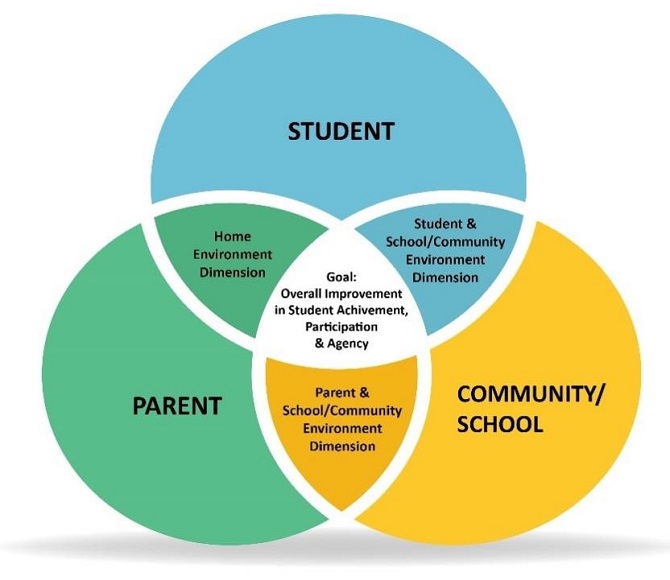
Parents play a crucial role in fostering a positive attitude towards fitness activities in preschoolers. By being actively involved, parents can set a good example and create a supportive environment.
- Modeling Behavior: When parents participate in physical activities, it sets a positive example for preschoolers. Children are more likely to be active if they see their parents enjoying physical activity.
- Encouragement and Support: Providing encouragement and celebrating achievements, no matter how small, motivates preschoolers to stay active. Creating a safe and supportive environment allows children to explore and enjoy physical activities without fear of failure.
Conclusion article Why Fitness Activities for Preschooler Are Crucial for Their Development
In conclusion, fitness activities are crucial for the holistic development of preschoolers. They promote physical health, enhance mental and emotional well-being, and develop essential social skills. By incorporating fun and engaging fitness activities into their routine, parents can help preschoolers build a strong foundation for a healthy and active life. Encouraging a love for movement and creating healthy habits at a young age sets the stage for continued physical activity and overall well-being. So, let’s get moving and make fitness a fun and integral part of every preschooler’s day!




1 thought on “Why Fitness Activities for Preschooler Are Crucial for Their Development”