How to Choose the Right Food Healthy for Dogs. Choosing the right Food Healthy for Dogs is essential for their well-being, energy levels, and longevity. Just like humans, dogs require a balanced diet to maintain their health and happiness. However, with so many pet food options available, selecting the best one can be overwhelming. This guide will help you understand the key factors in choosing the perfect food for your furry friend.
Understanding Nutritional Needs in Food Healthy for Dogs
Every dog has unique nutritional requirements based on age, breed, activity level, and health conditions. High-quality Food Healthy for Dogs should contain the right balance of proteins, fats, carbohydrates, vitamins, and minerals.
- Proteins: Essential for muscle development and tissue repair. Look for high-quality sources like chicken, beef, fish, lamb, or turkey.
- Fats: Provide energy and help maintain a shiny coat. Omega-3 and omega-6 fatty acids are particularly beneficial.
- Carbohydrates: Offer an energy source and should come from whole grains or vegetables.
- Vitamins and Minerals: Support overall health and immune function.
Choosing Between Dry, Wet, and Raw Food Healthy for Dogs
Dog food comes in various forms, each with its pros and cons. Understanding these options helps in selecting the right Food Healthy for Dogs. (Read More: Quick and Easy Healthy Snacks for Busy Professionals).
Dry Dog Food
- Convenient and easy to store.
- Helps in maintaining dental health by reducing plaque.
- Typically more affordable.
Wet Dog Food
- Higher moisture content, beneficial for hydration.
- More palatable for picky eaters.
- Can be mixed with dry food for variety.
Raw or Homemade Diets
- Allows control over ingredients and quality.
- Requires careful meal planning to ensure balanced nutrition.
- Can be more expensive and time-consuming.
Reading Labels to Identify Quality Food Healthy for Dogs
Understanding pet food labels is crucial in picking high-quality Food Healthy for Dogs. Here’s what to look for:
- Named Protein Sources: Avoid generic terms like “meat meal” and opt for specifically named proteins like “chicken meal” or “salmon.” (Read More: The Best Body Fitness Apps for Your Home Workouts in 2024).
- No Artificial Additives: Avoid artificial preservatives, colors, and flavors.
- Whole Ingredients: Look for real vegetables, fruits, and whole grains.
- AAFCO Approval: The Association of American Feed Control Officials (AAFCO) sets nutritional standards for pet food. Ensure the food meets their guidelines.
Considering Special Diets in Food Healthy for Dogs
Some dogs require special diets based on health conditions or allergies. Tailoring their nutrition ensures they thrive.
Hypoallergenic Dog Food
- Designed for dogs with food sensitivities.
- Uses novel proteins like duck, venison, or fish.
- Grain-free options available for gluten-sensitive dogs.
Weight Management Food
- Low in fat but high in fiber and protein to keep dogs full.
- Helps prevent obesity-related health issues.
Senior Dog Nutrition
- Formulated with joint-supporting supplements like glucosamine.
- Contains lower calories to maintain a healthy weight. (Read More: Easy Healthy Food Ideas).
Homemade vs. Commercial Food Healthy for Dogs

Some pet owners prefer homemade meals for better control over ingredients. However, homemade diets require careful planning to avoid nutritional deficiencies.
Benefits of Homemade Dog Food
- Fresh, natural ingredients.
- No artificial preservatives or fillers.
- Can be customized to a dog’s needs.
Challenges of Homemade Dog Food
- Requires expert guidance to balance nutrients.
- More time-consuming and costly.
- Must follow veterinarian-approved recipes.
Common Myths About Food Healthy for Dogs
There are many misconceptions regarding Food Healthy for Dogs. Let’s debunk some common myths:
- Myth: Grain-Free Diets Are Always Better: While grain-free options are essential for some dogs, whole grains provide valuable nutrients for many others.
- Myth: Raw Diets Are the Only Natural Choice: While raw diets have benefits, they also pose risks such as bacterial contamination.
- Myth: All Human Foods Are Safe for Dogs: Some human foods, like chocolate, onions, and grapes, are toxic to dogs.
Transitioning to a New Food Healthy for Dogs
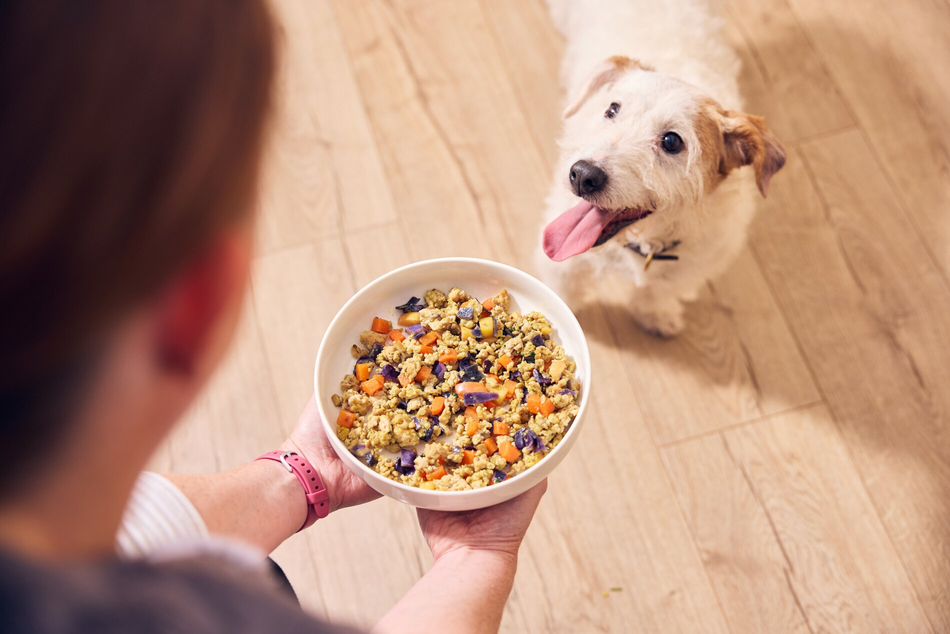
Switching your dog’s diet should be done gradually to avoid digestive issues.
Step-by-Step Transition Plan
- Days 1-2: Mix 75% old food with 25% new food.
- Days 3-4: Mix 50% old food with 50% new food.
- Days 5-6: Mix 25% old food with 75% new food.
- Day 7: Fully transition to the new food.
Monitor your dog for signs of food intolerance, such as vomiting, diarrhea, or loss of appetite.
Finding the Best Food Healthy for Dogs Based on Breed and Size
Different breeds and sizes have varying dietary needs.
- Small Breeds: Require calorie-dense food due to faster metabolism.
- Large Breeds: Need controlled calcium and phosphorus levels for bone health.
- Working Dogs: Higher protein and fat intake for energy.
Where to Buy High-Quality Food Healthy for Dogs
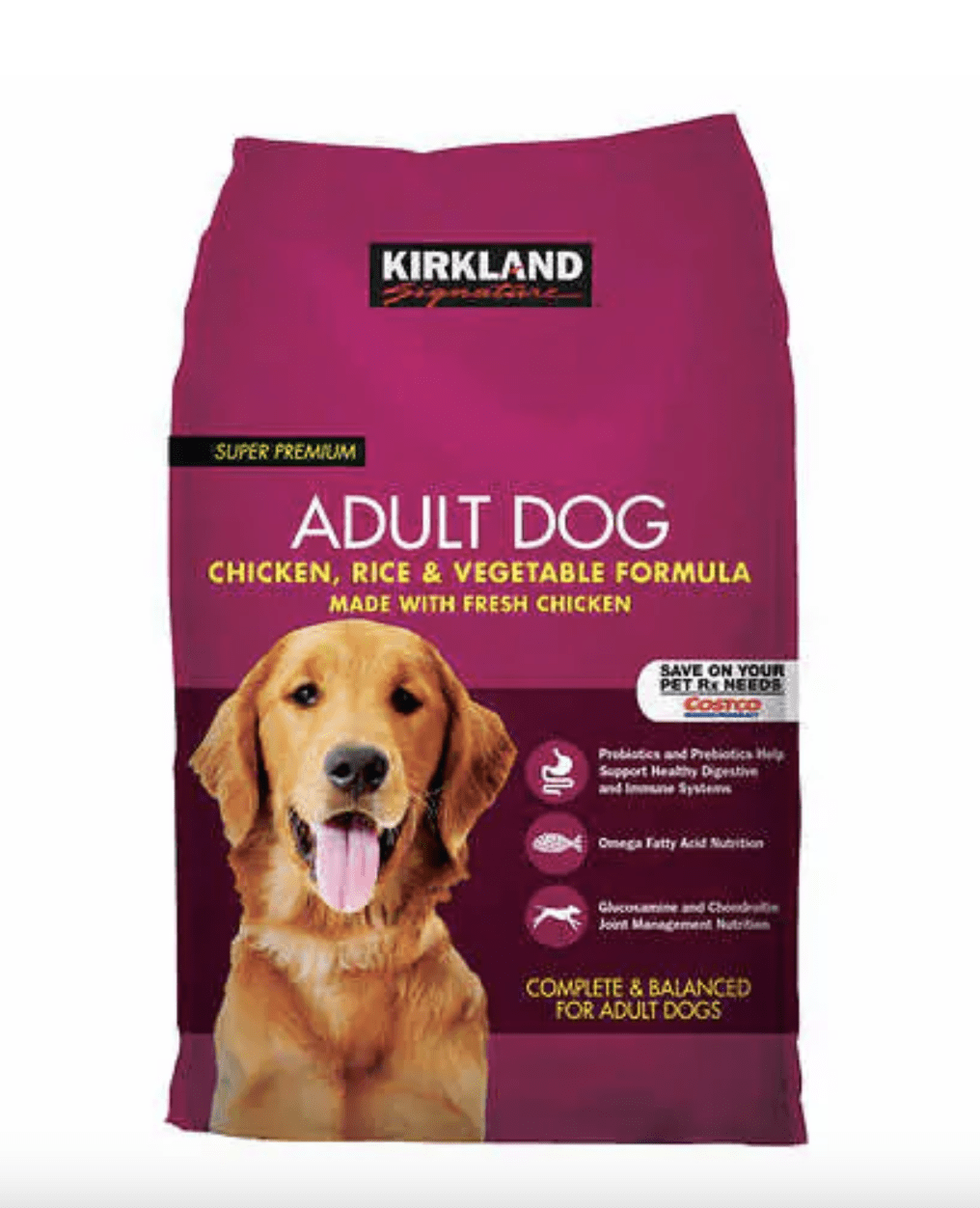
You can find high-quality Food Healthy for Dogs in:
- Pet Stores: Offer a variety of premium brands.
- Veterinary Clinics: Carry prescription and specialized diets.
- Online Retailers: Convenient access to a broader range of products.
- Homemade Sources: If making your own food, source high-quality, fresh ingredients.
By selecting the right Food Healthy for Dogs, you ensure a happy, healthy, and energetic life for your furry companion. Understanding their dietary needs, reading labels carefully, and considering their health conditions will help you make the best choice.